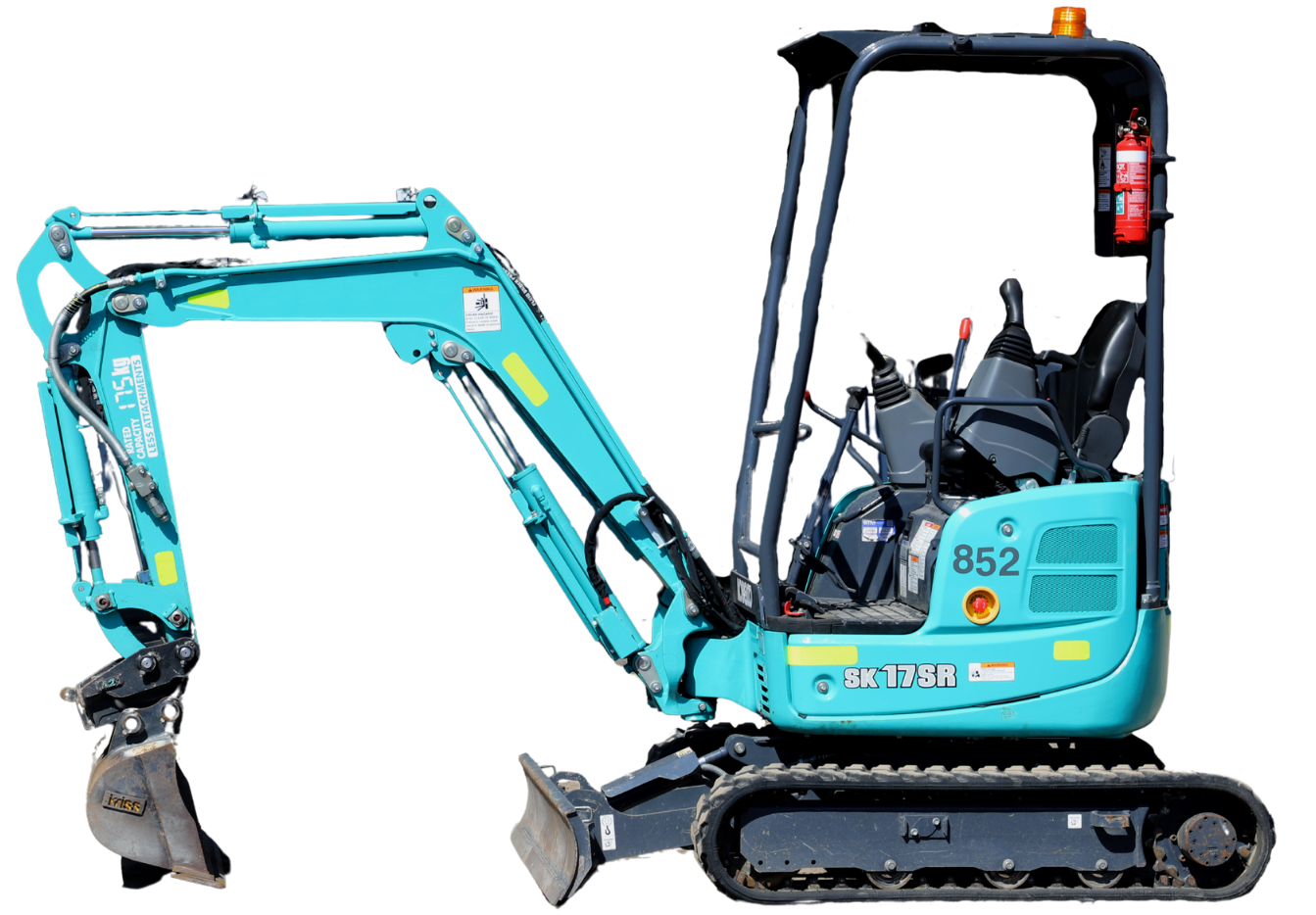
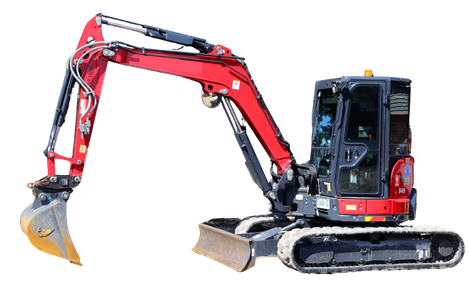
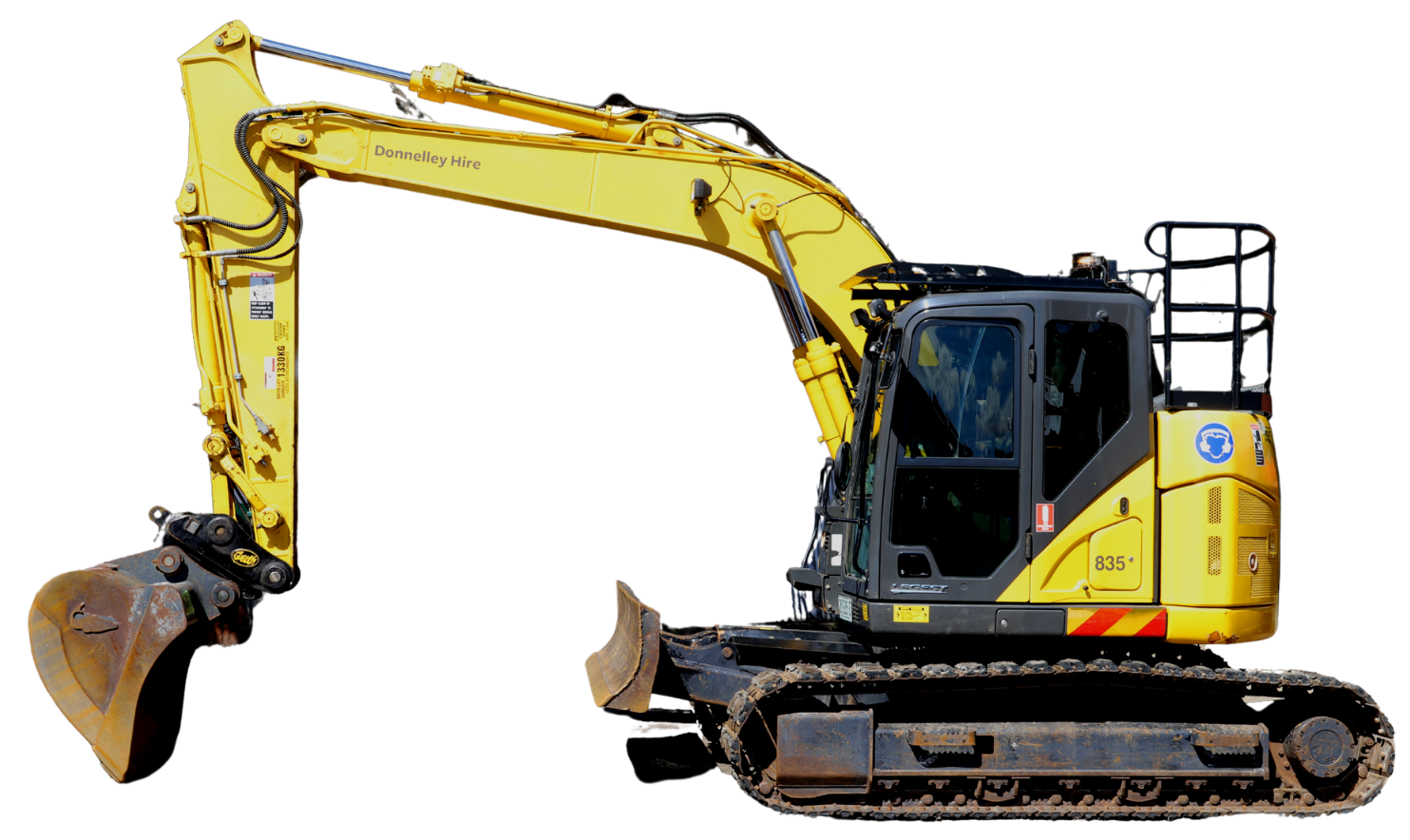
The right excavator size depends on four things: the job, the site access, the ground conditions and how quickly the work needs to be done. As a rule, choose the smallest machine that can complete the job efficiently, but not smaller. A machine that is too small often takes so much longer that it costs more overall. Donnelley Hire supplies excavators from 1.7 to 23.5 tonnes from our Wollongong and Nowra branches; this guide explains what each size suits.
Excavator sizes at a glance
| Size | Typical jobs | Access |
|---|---|---|
| 1.7 tonne | Trenches, post holes, landscaping, small footings | Retractable tracks fit many side gates |
| 3.5 tonne | Footings, driveways, retaining walls, small pools | Standard gates and driveways |
| 5.5 tonne | House sites, pools, drainage, rock breaking | Open access |
| 8 tonne | Larger site cuts, light civil, mulching, screening | Open sites, delivered by float |
| 14.5 tonne | Civil works, bulk earthworks, demolition and recycling | Commercial and civil sites |
| 23.5 tonne | Bulk earthworks, large civil projects, heavy rock | Large open sites |
1. What is the job?
Start with what needs to be dug, lifted or broken, and how much of it. A few post holes or a short trench suit a 1.7 tonne mini excavator. A residential pool or house site is typically 5.5 tonne work. Bulk earthworks and civil projects call for 14.5 or 23.5 tonnes.
2. How deep do you need to dig?
Digging depth increases with size. As a guide, our 1.7 tonne machine digs around 2.2 metres, the 5.5 tonne around 3.9 metres, and the 23.5 tonne around 6 metres, depending on setup. Check your deepest point, such as a pool’s deep end or a sewer connection, against the machine.
3. What is the access like?
Measure the narrowest point between the street and the work area, including gates, paths and steps, and note overhead power lines and slopes. Our 1.7 tonne excavator narrows to just under one metre with its tracks retracted. Zero tail swing machines, such as our 3.5 and 5.5 tonne Yanmars, work close to walls and fences without the rear of the machine swinging out.
4. What is the ground like?
Sandstone is common across the Illawarra, Shoalhaven and Southern Highlands. Rock may need a hammer, ripper or rock saw, and those attachments are more effective on a larger machine. Soft or wet ground may limit how heavy a machine the site can take.
5. Which attachments do you need?
Attachments are sized to the excavator. Our concrete crusher, for example, suits 12 to 19 tonne machines, while our tree shears suit 2.5 to 6 tonnes. If the job needs a specific attachment, that can decide the machine size.
Common jobs and the right size
| Job | Recommended size |
|---|---|
| Backyard trench or post holes with side access | 1.7 tonne |
| Driveway removal and replacement | 3.5 to 5.5 tonne with hammer |
| Family pool | 5.5 tonne |
| House site cut | 5.5 to 8 tonne |
| Land clearing with a mulcher | 5.5 to 8 tonne |
| Subdivision or road works | 14.5 to 23.5 tonne |
| Demolition and concrete recycling | 14.5 tonne with crusher and screening bucket |
Frequently asked questions
Is a bigger excavator more expensive?
The hourly rate is higher, but a larger machine often finishes sooner, so the total cost can be lower. Tell us the job and we will recommend the most economical size.
What is the smallest excavator you hire?
Our 1.7 tonne excavator, supplied on a trailer.
What size excavator do I need for a pool?
A 5.5 tonne excavator suits most residential pools. A 3.5 tonne machine can work for small pools or where access is limited.
Can I get help choosing?
Yes. Send us a description or photos of the job and the access, and our team will recommend the right machine.
Get the right excavator for your job
Call 1300 344 669 or request a quote online.